
Deep Vein Thrombosis (DVT) Treatment
Expert DVT Treatment for Safe and Healthy Circulation
Deep Vein Thrombosis (DVT) is a serious vascular condition in which a blood clot forms in a deep vein, most commonly in the legs. These blood clots can partially or completely block blood flow, causing pain, swelling, and discomfort while increasing the risk of serious complications.
One of the most significant dangers of DVT is that a clot may break loose and travel to the lungs, leading to a potentially life-threatening condition called pulmonary embolism. Early diagnosis and timely treatment are essential to prevent complications and protect overall vascular health.
At our vascular care center, we provide comprehensive DVT evaluation, advanced diagnostic testing, and evidence-based treatment options. Our goal is to restore healthy circulation, prevent clot-related complications, and help patients return to an active and healthy lifestyle with confidence.
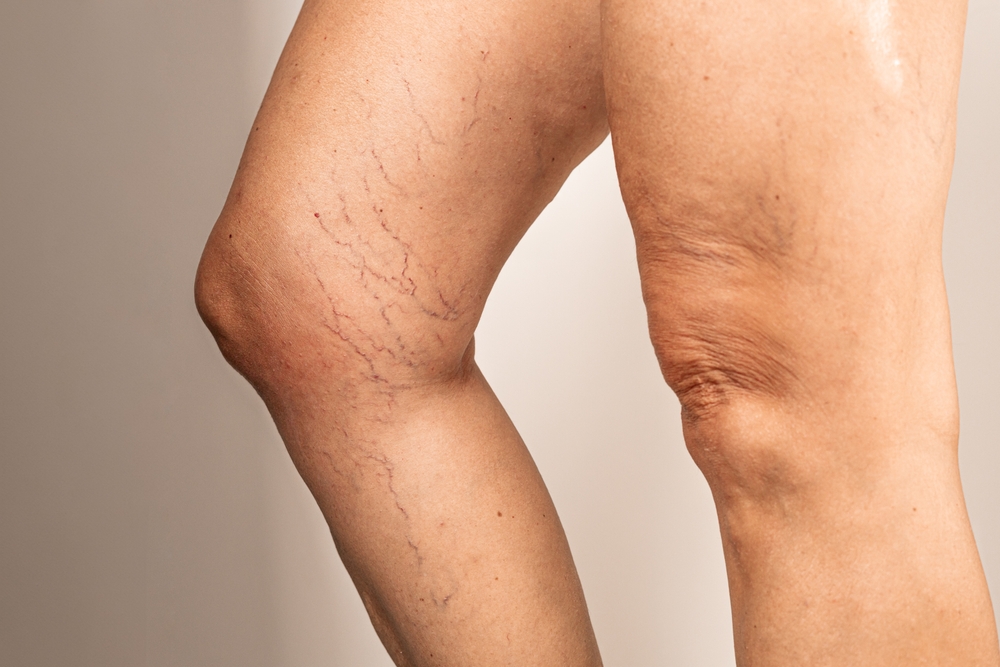
What Is Deep Vein Thrombosis (DVT)?
Deep Vein Thrombosis (DVT) is a condition in which a blood clot forms inside a deep vein, most commonly in the legs, thighs, or pelvis. These clots can partially or completely block blood flow, causing pain, swelling, and circulation problems in the affected area.
DVT can become a serious medical emergency if a clot breaks free and travels to the lungs, leading to a pulmonary embolism. Early diagnosis and timely treatment are essential to prevent complications and maintain healthy blood circulation.
Common Symptoms of DVT
The symptoms of Deep Vein Thrombosis can vary depending on the size and location of the blood clot. Recognizing these warning signs early can help prevent serious complications.
Causes of Deep Vein Thrombosis
DVT develops when blood flow becomes slow or when factors increase the risk of clot formation. Understanding these causes helps in preventing future blood clot complications.
Who Is at Risk?
Although anyone can develop Deep Vein Thrombosis (DVT), certain individuals have a significantly higher risk of blood clot formation. Regular vascular evaluation is recommended for people with multiple risk factors to ensure early detection and prevention.
Why Should DVT Be Treated?
Deep Vein Thrombosis is a serious condition that should never be ignored. Without timely treatment, blood clots can grow larger or travel to the lungs, causing potentially life-threatening complications. Early diagnosis and treatment help protect circulation and prevent long-term vein damage.
Diagnosis of Deep Vein Thrombosis (DVT)
Accurate diagnosis is essential for detecting blood clots early and preventing serious complications. A vascular specialist evaluates symptoms, medical history, and circulation to confirm the presence of Deep Vein Thrombosis and determine the most appropriate treatment plan.
Clinical Examination
The specialist evaluates symptoms such as leg swelling, pain, redness, warmth, and tenderness. A detailed medical history helps identify risk factors that may contribute to blood clot formation.
Duplex Ultrasound Scan
Duplex ultrasound is the primary diagnostic test for DVT. This painless imaging procedure uses sound waves to visualize blood flow and detect clots within the deep veins of the legs.
D-Dimer Blood Test
A D-Dimer test measures substances released when blood clots break down. Elevated levels may indicate the presence of an abnormal blood clot and help support the diagnosis of DVT.
Advanced Imaging Studies
In selected cases, CT Venography or MR Venography may be recommended to obtain detailed images of the veins and identify clots that are difficult to detect with ultrasound alone.
Advanced Treatment Options for Deep Vein Thrombosis (DVT)
Modern DVT treatment focuses on preventing clot growth, reducing complications, restoring healthy blood flow, and lowering the risk of future blood clot formation through evidence-based vascular care.
Anticoagulant (Blood Thinner) Therapy
Blood-thinning medications are the first-line treatment for most DVT cases. These medications help prevent existing clots from growing and reduce the risk of new clots forming.
- Prevents Clot Progression
- Reduces Risk of Pulmonary Embolism
- Minimally Invasive Treatment
- Improves Long-Term Outcomes
- Widely Recommended Therapy
Catheter-Directed Thrombolysis
In selected patients with large or severe clots, clot-dissolving medication may be delivered directly into the blocked vein using a specialized catheter.
- Rapid Clot Dissolution
- Improved Blood Flow
- Reduced Vein Damage
- Preserves Vein Function
Mechanical Thrombectomy
Advanced thrombectomy devices can be used to remove large blood clots from the veins, especially in patients with extensive DVT or severe symptoms.
- Immediate Clot Removal
- Relief from Severe Symptoms
- Improved Venous Circulation
- Reduced Risk of Long-Term Complications
IVC Filter Placement
In patients who cannot take blood thinners or have a high risk of pulmonary embolism, an Inferior Vena Cava (IVC) filter may be placed to prevent clots from reaching the lungs.
- Protection Against Pulmonary Embolism
- Suitable for High-Risk Patients
- Minimally Invasive Procedure
- Additional Safety Measure
DVT Recovery & Prevention Tips
Proper recovery and preventive measures are essential after Deep Vein Thrombosis treatment. Following your vascular specialist’s recommendations can help improve circulation, reduce complications, and lower the risk of future blood clots.
Recovery After DVT Treatment
- Take prescribed blood thinners regularly
- Wear compression stockings if advised
- Stay physically active with regular walking
- Keep follow-up appointments with your specialist
- Stay hydrated throughout the day
- Monitor for any new symptoms or swelling
Tips to Prevent DVT
- Avoid prolonged sitting or bed rest
- Stay active and exercise regularly
- Maintain a healthy body weight
- Stay well hydrated
- Avoid smoking and tobacco use
- Move frequently during long journeys
- Manage chronic health conditions effectively
- Follow medical advice after surgery or hospitalization
Why Choose Us for DVT Treatment?
We provide comprehensive diagnosis and treatment for Deep Vein Thrombosis (DVT) using advanced vascular imaging, evidence-based therapies, and personalized care plans to reduce complications and improve vascular health.
Book Your DVT Consultation Today
If you are experiencing leg swelling, pain, redness, warmth, or have risk factors for Deep Vein Thrombosis (DVT), early diagnosis is essential. Prompt treatment can help prevent serious complications such as pulmonary embolism and long-term vein damage.
Take the first step toward safer vascular health and peace of mind by scheduling your consultation today.
Why Patients Trust CRK Vascular & Endovascular Center
Read authentic Google reviews and learn about the experiences of patients who received expert vascular care from our specialist team.
Posted on GoogleTrustindex verifies that the original source of the review is Google. Doctors is so humble and explained everything in brief.. excellent consultation👌Posted on GoogleTrustindex verifies that the original source of the review is Google. Excellent Surgeon. He gives good care and approach towards recovery. Highly recommended doctor for vascular ailments.Posted on GoogleTrustindex verifies that the original source of the review is Google. Dr Chaitanya is very good and very helpful.. Extremely professional and made me feel comfortable throughoutPosted on GoogleTrustindex verifies that the original source of the review is Google. Very good doctor, explained in detail about our patients condition and made us to take an informed decision about treatment Definitely recommendedPosted on GoogleTrustindex verifies that the original source of the review is Google. Great Doctor in vascular surgery Dr Chaitanya Thanks to his big support and treatmentPosted on GoogleTrustindex verifies that the original source of the review is Google. Thanks to Dr Chaitanya for giving best consultation and treatmentPosted on GoogleTrustindex verifies that the original source of the review is Google. Best Doctor in vascular Dr Chaitanya Consulting well and giving best treatment to the patient Thank you Doctor ChaitanyaPosted on GoogleTrustindex verifies that the original source of the review is Google. As a fellow surgeon, I can confidently recommend Dr. Chaitanya and CRK vascular and Endovascular Centre for any vascular needs. His expertise in minimally invasive techniques deliver outstanding outcomes with minimal recovery time. I've referred many cases including varicose veins and diabetic foot to him. All the patients gave me feedback about the compassionate care, clear communication, and life-changing results. If you're dealing with vascular issues, this is the place for all your answers. Top-tier expertise you can trust!