
Leg Ulcer Treatment
Expert Leg Ulcer Treatment for Faster Healing and Better Circulation
A leg ulcer is an open wound or sore that develops on the lower leg and does not heal within a normal period of time. Most leg ulcers occur due to poor blood circulation in the veins or arteries and can become chronic if left untreated.
Leg ulcers may cause pain, swelling, skin discoloration, fluid discharge, and difficulty walking. Conditions such as venous insufficiency, peripheral arterial disease, diabetes, and chronic leg swelling significantly increase the risk of developing ulcers.
At our vascular care center, we provide comprehensive leg ulcer evaluation and advanced treatment using modern wound care techniques, vascular assessment, and circulation-improving therapies. Our goal is to promote healing, prevent infection, restore healthy blood flow, and reduce the risk of recurrence through personalized treatment plans.
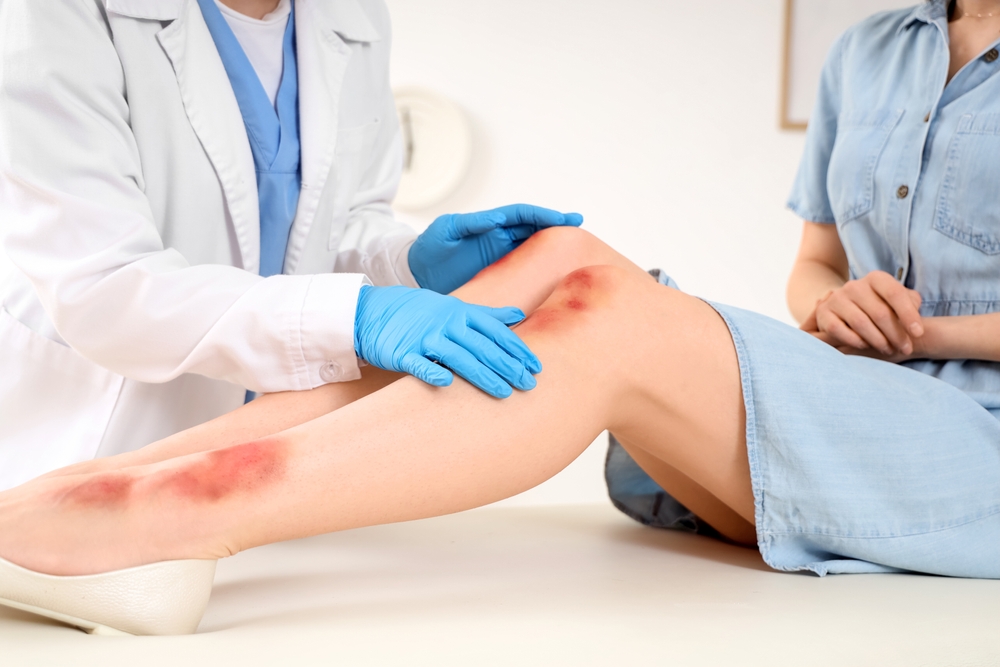
What Is a Leg Ulcer?
A leg ulcer is an open sore or wound that develops on the lower leg and does not heal within a normal period of time. Most leg ulcers occur due to poor blood circulation in the veins or arteries, preventing the skin and underlying tissues from receiving adequate oxygen and nutrients.
Leg ulcers can be painful, prone to infection, and may significantly affect mobility and quality of life. Early diagnosis and proper treatment are essential to promote healing, prevent complications, and address the underlying vascular condition responsible for the ulcer.
Common Symptoms of Leg Ulcers
Leg ulcers often develop gradually and may be associated with poor circulation. Recognizing these symptoms early can help prevent infection and promote faster healing.
Common Causes of Leg Ulcers
Leg ulcers usually develop when circulation problems affect the body's natural healing process. Identifying the underlying cause is important for successful treatment.
Who Is at Risk of Leg Ulcers?
Leg ulcers commonly develop in individuals with poor blood circulation, chronic venous disease, diabetes, peripheral arterial disease, or other vascular conditions. Identifying risk factors early can help prevent ulcers and improve healing outcomes.
Why Should Leg Ulcers Be Treated?
Leg ulcers rarely heal properly without identifying and treating the underlying circulation problem. Early treatment helps promote healing, prevent infection, reduce pain, and lower the risk of serious complications.
Diagnosis of Leg Ulcers
Accurate diagnosis is essential to identify the underlying cause of a leg ulcer and create an effective treatment plan. A vascular specialist evaluates circulation, wound characteristics, and associated medical conditions to determine the most appropriate treatment approach.
Clinical Examination
A detailed assessment of the ulcer is performed to evaluate its size, depth, location, appearance, and signs of infection. Medical history and symptoms are also reviewed to identify contributing factors.
Duplex Ultrasound Scan
Duplex ultrasound helps assess blood flow in the arteries and veins. It is commonly used to identify venous insufficiency, arterial blockages, and circulation problems that may delay wound healing.
Vascular Assessment
Specialized circulation tests may be performed to determine the severity of blood flow impairment and identify whether the ulcer is caused by venous disease, arterial disease, or both.
Laboratory & Infection Evaluation
Blood tests and wound assessments may be recommended to detect infection, diabetes-related complications, nutritional deficiencies, and other factors that can affect ulcer healing.
Advanced Treatment Options for Leg Ulcers
Effective leg ulcer treatment focuses on healing the wound, improving circulation, preventing infection, and addressing the underlying vascular condition to reduce the risk of recurrence.
Advanced Wound Care Management
Specialized wound care helps create an optimal healing environment by removing damaged tissue, controlling infection, and promoting healthy tissue growth.
- Faster Wound Healing
- Infection Control
- Healthy Tissue Formation
- Reduced Complications
- Improved Healing Outcomes
Compression Therapy
Compression bandages and stockings improve venous circulation, reduce swelling, and support ulcer healing, especially in patients with venous leg ulcers.
- Reduces Leg Swelling
- Improves Venous Blood Flow
- Accelerates Healing
- Prevents Ulcer Recurrence
Vascular Intervention Procedures
When poor circulation contributes to ulcer formation, minimally invasive vascular procedures may be performed to restore healthy blood flow and promote healing.
- Improved Blood Supply
- Enhanced Wound Healing
- Reduced Limb Complications
- Better Long-Term Outcomes
Infection Control & Medical Therapy
Antibiotics and medical management may be required when infection is present, helping prevent tissue damage and supporting the healing process.
- Treats Wound Infection
- Protects Surrounding Tissue
- Prevents Complications
- Supports Recovery
Recovery After Leg Ulcer Treatment & Prevention Tips
Successful healing of leg ulcers requires proper wound care, improved circulation, and regular follow-up with a vascular specialist. Following the recommended treatment plan can help speed up healing and reduce the risk of ulcer recurrence.
Recovery After Leg Ulcer Treatment
- Follow wound care instructions carefully
- Keep the ulcer clean and protected
- Attend regular follow-up appointments
- Take prescribed medications as directed
- Use compression therapy if advised
- Monitor for signs of infection
Tips to Prevent Leg Ulcers
- Manage diabetes and blood pressure effectively
- Maintain good foot and skin hygiene
- Wear compression stockings when recommended
- Avoid prolonged standing or sitting
- Stay physically active to improve circulation
- Quit smoking and tobacco use
- Maintain a healthy body weight
- Seek early treatment for vein or artery problems
Why Choose Us for Leg Ulcer Treatment?
We provide comprehensive diagnosis and advanced treatment for venous, arterial, diabetic, and non-healing leg ulcers using modern vascular techniques, wound care management, and personalized treatment plans to promote faster healing and prevent recurrence.
Book Your Leg Ulcer Consultation Today
If you have a non-healing wound, chronic leg ulcer, skin discoloration, swelling, pain, or signs of poor circulation, early diagnosis and treatment can help prevent infection, tissue damage, and other serious complications.
Take the first step toward faster healing and healthier circulation by scheduling your consultation today.
Why Patients Trust CRK Vascular & Endovascular Center
Read authentic Google reviews and learn about the experiences of patients who received expert vascular care from our specialist team.
Posted on GoogleTrustindex verifies that the original source of the review is Google. Doctors is so humble and explained everything in brief.. excellent consultation👌Posted on GoogleTrustindex verifies that the original source of the review is Google. Excellent Surgeon. He gives good care and approach towards recovery. Highly recommended doctor for vascular ailments.Posted on GoogleTrustindex verifies that the original source of the review is Google. Dr Chaitanya is very good and very helpful.. Extremely professional and made me feel comfortable throughoutPosted on GoogleTrustindex verifies that the original source of the review is Google. Very good doctor, explained in detail about our patients condition and made us to take an informed decision about treatment Definitely recommendedPosted on GoogleTrustindex verifies that the original source of the review is Google. Great Doctor in vascular surgery Dr Chaitanya Thanks to his big support and treatmentPosted on GoogleTrustindex verifies that the original source of the review is Google. Thanks to Dr Chaitanya for giving best consultation and treatmentPosted on GoogleTrustindex verifies that the original source of the review is Google. Best Doctor in vascular Dr Chaitanya Consulting well and giving best treatment to the patient Thank you Doctor ChaitanyaPosted on GoogleTrustindex verifies that the original source of the review is Google. As a fellow surgeon, I can confidently recommend Dr. Chaitanya and CRK vascular and Endovascular Centre for any vascular needs. His expertise in minimally invasive techniques deliver outstanding outcomes with minimal recovery time. I've referred many cases including varicose veins and diabetic foot to him. All the patients gave me feedback about the compassionate care, clear communication, and life-changing results. If you're dealing with vascular issues, this is the place for all your answers. Top-tier expertise you can trust!